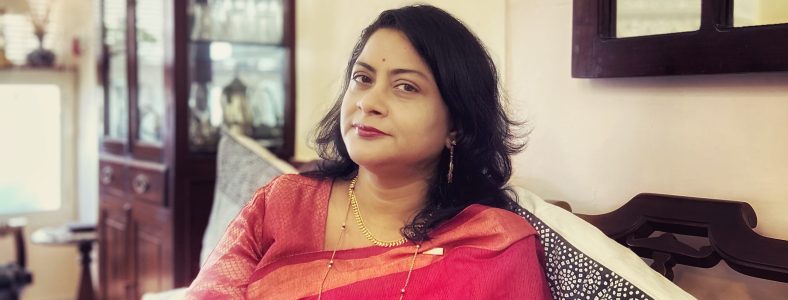
In all ancient cultures or primitive societies women formed to be the foundation pillars upon whom rested the important tasks of giving birth and rearing the young, while teaching them what were seen as social norms, culture-heritage, behavioral habits, and traditions of those times. The women were seen as life producers with regenerative capacities, hence…
Category: traditional
Bharata, Bhārata, Bharatā, Bharat ~ That is India
||Why Bhārata instead of India|| There is a 2200 years old “Hātigumphā Inscription” found in the ‘Udayagiri Hills’, near Bhubaneshwar in Odisha. This is a very special inscription, as it contains the earliest recorded mention of the word “Bhāratavarṣa” (Prakritized as – ‘Bhāratavasa’). Line number 10 of this inscription mentions “Bharatavarsha” (translation published by Jayaswal…
Photodocumenting Museum Sculptures I – Coochbehar Palace Museum (newly renovated)
All photos by Anirban Sarkar (if images are downloaded and shared, please give his name as reference) Surya, 10th c. CE Navagraha panel, 10th c. CE 4 armed Devi, 9th -10 c. CE Fragmentary remains of a likely Vishnu Stele, at the two sides are Devis Lakshmi and Saraswati, 11-12th c. CE remains of ornametal…
Devi sakti and Durga in her two main forms: Katyayani and Mahishasuramardini
Listen, O Devi, I will speak concisely of the essence of yoga. The body resembles a tree, with the root above and the branches below. In the macrocosm there are tirthas (bathing places) which also exist in the body. The macrocosm is like the microcosm. ~ Todala Tantra, II Liberation comes from knowledge of self. ~ Kaula Upanishad Within…
The various Durga-Mahishasuramardini pratimas as seen through the ages – a pictorial depiction
The ugra aspect of the devi is best characterised by her Mahishasuramardini image, which has been depicted in various ways over the centuries. The Vedic text such as Vajasaneyi Samhita, Taittiriya Aryanaka, Kena, Mundaka Upanishads, Sankhayana grihasutras mention Durga in her various forms; the soumaya (quiet/placid) forms among them being that of Gauri, Parvati, etc….
Yaksha
The demi gods/ accessory deities or the Vyantara devatas With the rise of the element of bhakti during the early stages of religious worship (Varuna is the first to have been portrayed as the Vedic moral god, associated with the concept of sin, faith, and divine forgiveness; thus sowing the seeds of bhakti in Indic…
The face of Glory- Kirtimukhas on Hindu temple walls
One of the most intriguing and a common feature among the Hindu temple adornments is the Face of Glory or Kirtimukha. The half human – half animal face, swollen with the intake of breath, is most prominently seen on the sukhanasa, in the centre of the arches of littles niches or shrines, the apex of…
Documenting the worship of Rama in Bengal history
The curious case of Rama in West Bengal Mahakavi Krritibas Ojha (1381–1461), a well known poet from Bengal, was the author of “Sri Rampanchali,” the Bengali version of the Sanskrit Ramayan. While he had largely changed the narrative of Valmiki’s Ramayan and made many additions of his own (making Ram quite different from the original…
Kesa-vinyas or Hairstyles in Indian art- a photo exhibition by the ASI (2015)
My two bits as Introduction Hair is an important aspect of a person as well as that of an image or a murti. It gives it an individuality and adds to the personality or character of that person or image. The Chitrasutra of Vishnudharmottara purana names six different types of hairstyles: Kuntala (loose flowing hair), Dakshinavarta (hair curled…
An Iconographic exploration of Ganapati- Vinayaka
प्रणम्य शिरसा देवं गौरीपुत्रं विनायकम् ।भक्तावासं स्मरेन्नित्यमायुः कामार्थसिद्धये ।।1।। Pranamya shirasa devam Gauri putram Vinayakam.Bhakthavasam smaretrityamayuh kama artha sidhaye ||1|| The learned one, who wishes, For more life, wealth and love,Should salute with his head to, Lord Ganapathi who is the son of Goddess Parvathi प्रथमं वक्रतुडं च एकदन्तं द्वितीयकम् ।तृतीयं कृष्णपिंगाक्षं गजवक्त्रं चतुर्थकम् ।।2।। Prathamam Vakratundam…
 Moni Gāthā